
Blog > A Hurricane Doesn't Have to Hit Southwest Florida to Mess With Your Closing
A Hurricane Doesn't Have to Hit Southwest Florida to Mess With Your Closing
by
A Hurricane Doesn't Have to Hit Southwest Florida to Mess With Your Closing
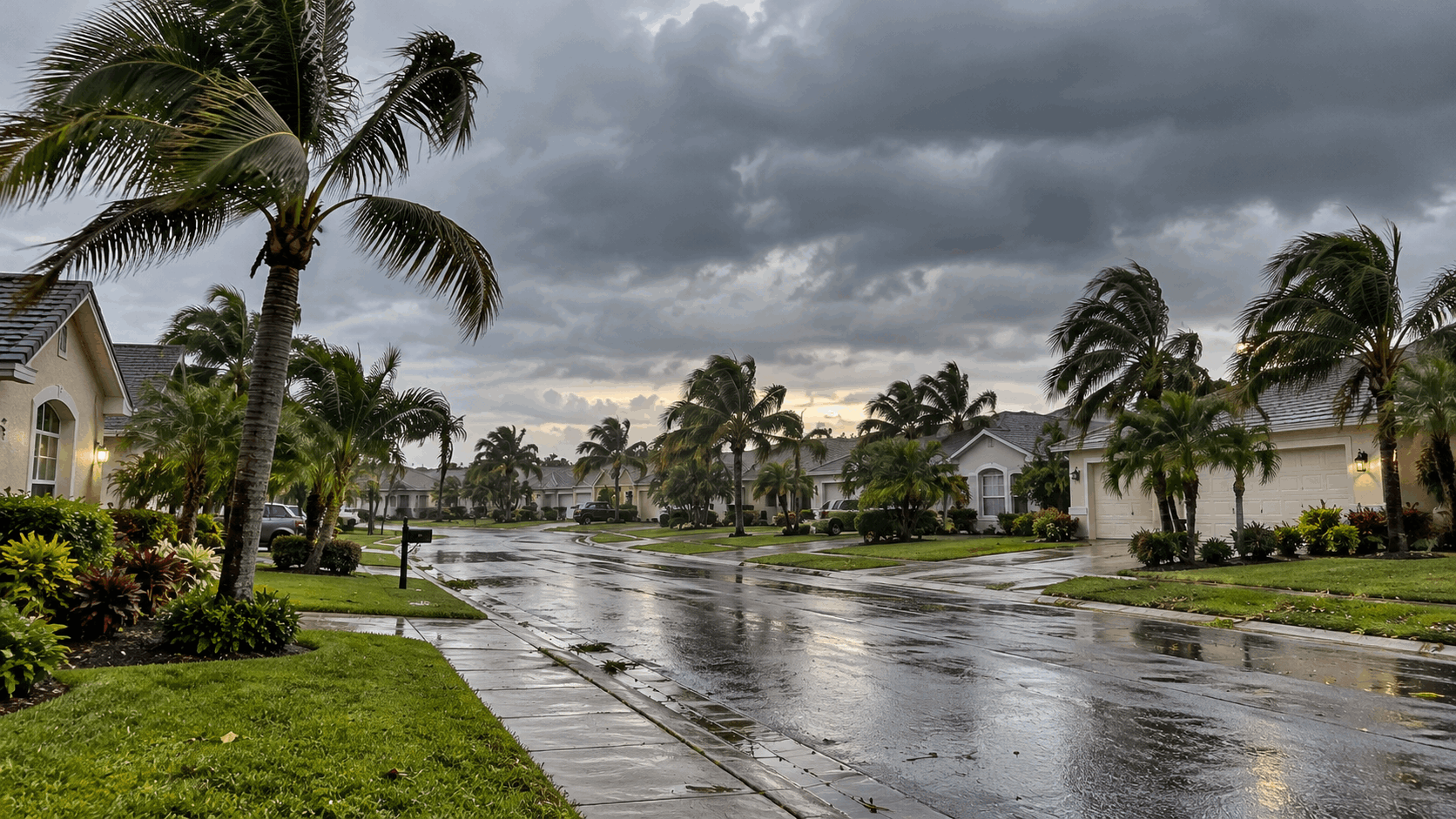
Yes, says Heidi Choiniere of The Salty Palm Group at SERHANT: a Florida hurricane does not have to make landfall anywhere near Southwest Florida to complicate a real-estate closing here. Insurance companies may temporarily stop binding new homeowners coverage, lenders may require additional confirmation that a property was not damaged, and inspections, appraisals or closing services can be disrupted depending on the storm. We got a perfect real-life example last week. Hurricane Isaias ultimately made landfall near the Florida Panhandle, hundreds of miles from North Port, Punta Gorda, Venice and most of the Southwest Florida market. It still managed to get into the middle of closings here.
See Citizens' Official Binding Alerts →
How Did a Panhandle Hurricane Affect Southwest Florida Buyers?
From October 7 until 5 a.m. on October 10, Citizens Property Insurance temporarily suspended new policy binding statewide because of the storm. Citizens returned to normal operations on October 10, but the lesson sticks: a hurricane can be headed for a completely different part of Florida and still insert itself into your closing. Welcome to Florida real estate.
What Does "Insurance Binding" Actually Mean?
When you buy a home, you generally need your homeowners insurance policy in place before or at closing, especially if you're financing the purchase. "Binding" basically means the insurer commits to providing the coverage. During certain storm situations, an insurance company may temporarily stop writing new policies or increasing coverage. Florida law specifically recognizes that insurers may temporarily suspend writing new residential property insurance when a hurricane may make landfall in Florida. That doesn't mean every insurer follows exactly the same suspension rules, because each company has its own underwriting guidelines. But last week's Citizens example is beautifully clear. When a tropical storm or hurricane watch or warning was issued for part of Florida, Citizens temporarily suspended new policy binding across the entire state, beginning October 7. North Port wasn't in the hurricane warning. Punta Gorda wasn't. Venice wasn't. Didn't matter.
Could That Actually Delay My Closing?
It can. Let's say you're scheduled to close Friday, your lender requires homeowners insurance, and you haven't bound your policy yet. Then a storm triggers a binding suspension Wednesday. You may suddenly have a problem that has absolutely nothing to do with the title company, lender, seller or condition of the house. The insurance simply cannot be issued yet through that carrier. Once the restriction is lifted, things can start moving again. That's exactly why buyers shouldn't wait until two days before closing to figure out homeowners insurance. In Florida, that is already a questionable hobby. During hurricane season, it's an especially bad one.
Does a Named Storm Automatically Extend the Closing Date?
No, and this one matters. A hurricane appearing on the weather map does not automatically pause every Florida real-estate contract. Florida Realtors reminded agents last week that contract deadlines continue unless the actual contract provides otherwise and the circumstances meet those provisions. The commonly used Florida Realtors/Florida Bar AS IS Residential Contract for Sale and Purchase includes force-majeure language that can apply when events such as hurricanes, flooding or extreme weather actually prevent a party from performing. Depending on the contract and circumstances, certain time periods can be extended. But "storm exists, so closing automatically moves" is not the rule. Read the actual contract. This is also where your real-estate agent, closing agent and attorney need to communicate instead of everybody getting their legal education from Facebook.
What Happens If the Storm Passes Before Closing?
Then another question may appear: did anything happen to the house? A lender is making a loan based partly on the condition and value of the property. If a disaster may have affected that property after the appraisal or inspection was completed, the lender may need confirmation that the property's condition has not materially changed. Fannie Mae's current guidance says lenders are responsible for taking reasonable steps to determine whether a property may have been damaged by a disaster and deciding whether an additional property inspection or appraisal is necessary. That does not mean every named storm automatically triggers another appraisal. It means the lender may need evidence that the collateral it's lending money against is still in the condition everybody thought it was, which seems fairly reasonable when you think about it.
Could I Need Another Inspection?
Possibly. After a significant storm, a lender, insurance company or buyer may want the property checked again. What is required will depend on:
- Where the property is located
- Whether the area experienced damaging weather
- The loan program
- The lender
- The insurer
- The condition of the property
Fannie Mae does not prescribe one universal post-disaster inspection method. The lender determines what is necessary to establish the property's condition. So again, there is no single Florida hurricane rule for every transaction. There are a bunch of moving parts. Because apparently buying a house wasn't exciting enough already.
What If the House Is Damaged Before Closing?
Now we're in a very different conversation. Until you close, the condition of the property still matters enormously. The Florida Realtors/Florida Bar contract contains provisions dealing with casualty damage before closing, and the options available to the buyer and seller can depend on the extent of the damage and the specific contract terms. Florida Realtors specifically reminded agents to review those provisions last week as Isaias approached Florida. This is not the moment for a blanket internet answer like "the seller has to fix everything" or "the buyer can automatically cancel." Maybe. Maybe not. Read the contract, get the appropriate legal guidance when needed, and assess the actual damage.
What If I Already Have Homeowners Insurance?
That is different from trying to obtain a brand-new policy. Florida's Department of Financial Services explains that existing homeowners coverage has specific protections during a hurricane. For example, if a cancellation or nonrenewal is scheduled to occur during the hurricane, coverage may have to be extended through the duration of the hurricane. That's another reason homeowners and buyers sometimes talk past one another during a storm. A current homeowner asking "is my existing policy still in force?" is asking a very different question from a buyer asking "can I bind a brand-new policy today so I can close tomorrow?" Not the same problem.
What Happened With Citizens During Isaias?
Last week's timeline is a perfect example:
- October 7, 2026: Citizens suspended policy binding statewide at 11:05 a.m. Eastern because of Tropical Storm Isaias. New policies and changes adding coverage could not be bound.
- October 9: Isaias made landfall in the Florida Panhandle as a hurricane.
- October 10 at 5 a.m.: Citizens lifted the binding suspension and returned to normal operations.
Southwest Florida did not need a direct hurricane strike for this to become relevant to a buyer closing here. That's the lesson.
What Should a Florida Buyer Do Differently During Hurricane Season?
The biggest thing is to start the insurance conversation early. Not after inspection, not once underwriting sends you a frantic email, and definitely not the afternoon before closing. As soon as you're seriously considering a property, you want to know:
- Can you insure it?
- What will that insurance cost?
- Does the roof create an issue?
- Do you need flood insurance?
- Is the property in a flood zone that affects financing?
- Are there inspections the insurance company will require?
- Is there anything brewing in the tropics that could affect when coverage can be bound?
You don't have to panic every time someone draws a spaghetti model. You just need to plan.
Should I Avoid Buying a Florida House During Hurricane Season?
No. People buy and sell homes in Florida throughout hurricane season every year, and you don't need to put your life on hold from June through November. You simply need to understand that the weather can occasionally become another participant in the transaction. A storm may affect:
- Insurance
- Inspections
- Appraisals
- Flights
- Utilities
- Wire transfers
- Closing offices
- Property access
- Final walk-throughs
- Contract deadlines
None of that automatically means the deal is dead. It means everybody needs to communicate, preferably before somebody is sitting in a moving truck asking why they can't close.
What About Flood Insurance?
Homeowners insurance and flood insurance are not the same thing. Standard homeowners policies generally do not cover flooding from rising water. Charlotte County, for example, reminds residents that flood insurance is a separate policy and notes that National Flood Insurance Program policies typically have a 30-day waiting period, subject to applicable exceptions. That is another reason flood coverage is not something buyers should discover at the eleventh hour. And living in Flood Zone X does not mean "this house can't flood." We've already had that conversation. Florida has repeatedly declined to respect our map colors.
What Should Sellers Know?
Sellers aren't immune to the chaos either. If you're under contract while a storm is approaching:
- Know your closing timeline
- Know your contract obligations
- Keep the property accessible when it is safe to do so
- Document the home's condition
- Secure outdoor items
- Tell your agent immediately if you discover storm damage
And don't assume that because your neighborhood looks fine, the buyer's lender, insurer, appraiser or closing company is operating normally. Real-estate transactions are chains, and one link three counties away can slow the entire thing down.
Frequently Asked Questions
Can homeowners insurance stop being issued during a hurricane?
Yes. Florida insurers can temporarily suspend writing new residential property insurance in response to a hurricane that may make landfall in Florida. Individual insurer rules vary.
Did Citizens stop writing policies because of Hurricane Isaias?
Citizens temporarily suspended new policy binding statewide from 11:05 a.m. Eastern on October 7, 2026 until 5 a.m. on October 10, 2026, because of Isaias.
Can a hurricane delay a Florida home closing?
Yes, depending on the circumstances. Insurance availability, property damage, inspections, lenders, closing services and contract provisions can all affect timing.
Does a hurricane automatically extend my real-estate contract?
No. Florida Realtors specifically notes that a storm does not automatically change contract deadlines. The applicable contract and whether the storm actually prevents performance matter.
Can my lender require another inspection after a hurricane?
Possibly. Fannie Mae says lenders must take reasonable steps to determine whether a disaster may have materially changed the property's condition and decide whether an inspection or appraisal is needed.
What happens if the house is damaged before closing?
The answer depends on the specific contract, extent of damage and circumstances. Florida real-estate contracts commonly contain casualty provisions addressing damage before closing. Buyers and sellers should review their contract and seek appropriate legal advice when necessary.
Should I wait until after hurricane season to buy in Southwest Florida?
Not necessarily. Homes close throughout hurricane season. The practical approach is to begin insurance early, understand the property's flood and wind exposure and stay in close communication with your lender, insurer and closing team.
Sources
- Citizens Property Insurance Corporation, binding alerts (October 7 and October 10, 2026)
- Florida Realtors, Hurricane Isaias guidance for agents, October 2026
- Fannie Mae Selling Guide, disaster-affected property guidance
- Florida Department of Financial Services, hurricane and homeowners insurance consumer guidance
- Charlotte County, flood insurance and NFIP waiting period information
- National Hurricane Center, Hurricane Isaias advisories
Buying in Southwest Florida during hurricane season?
Our team at The Salty Palm Group, SERHANT's local Southwest Florida experts led by Heidi Choiniere, can help you line up insurance, lender and closing timelines early so a storm somewhere else doesn't derail your plans.
GET MORE INFORMATION